
Breaking Free from Everyday Toxins: Easy Steps Toward a Healthier Life
In our modern world, exposure to toxic substances is almost unavoidable. From the air we breathe to the products we use daily, harmful chemicals can enter our bodies—often without our realizing it. But here’s the good news: you don’t have to live in fear. With a few intentional swaps, you can drastically reduce your exposure and support your long-term health.
What Are Toxic Exposures?
Toxic exposures refer to contact with substances that can cause harm to your body. These toxins can come from:
- Environmental pollutants (like air pollution, pesticides, or contaminated water)
- Household products (like cleaners, air fresheners, or nonstick cookware)
- Personal care products (like shampoo, deodorant, or cosmetics)
- Food and packaging (such as BPA in plastics, pesticides, or food additives). This is especially concerning when packaging is exposed to heat, such as coffee cups or microwaveable products like popcorn.
This is just a brief list, and we could also include heavy metals in fish, antibiotics in meat, poultry, and eggs.
👉 Quick takeaway: If it’s artificial, heavily processed, or made of plastic, it may add to your toxic load.
Why Does It Matter?
While not all chemicals are harmful, chronic, low-level exposure can add up over time. This is known as toxic load. It’s especially concerning for vulnerable groups like children, pregnant women, and people with chronic illnesses.
Think of it this way: your body has a “bucket.” Every exposure fills it a little more. The fuller the bucket, the more likely you’ll feel the health effects.
Common Sources of Toxic Exposure
Here are some everyday culprits that contribute to toxic load:
- Plastic containers and food packaging containing BPA or phthalates. Food packaging also impacts the environment, making plastics harder to avoid—even on fresh produce.
- Synthetic fragrances in perfumes, candles, cleaning sprays, and air fresheners. These are everywhere—from furniture to clothes—and can be hard to escape.
- Conventional cleaning products with harsh chemicals like ammonia or bleach.
- Pesticide-laden produce and highly processed foods.
- Heavy metals, industrial chemicals, and PFAS found in much of our drinking water.
- Personal care products with parabens, formaldehyde, or synthetic dyes.
- Nonstick pans coated with Teflon, which can release harmful fumes when overheated or scratched.
👉 Notice how most of these are “everyday” items. That’s why awareness—not perfection—is the key.
Tips for Reducing Toxic Exposure
1. Clean Up Your Air
Open windows regularly for ventilation. This can feel tricky during high pollen seasons, but fresh air movement is still important. Use HEPA air purifiers. Keep indoor plants that naturally purify air (like peace lilies or snake plants). Avoid synthetic air fresheners and candles; opt for essential oils or beeswax candles instead.
💡 Pro Tip: Even five minutes of fresh outdoor air daily can help lower indoor pollutant buildup.
2. Upgrade Your Cleaning Supplies
Switch to natural, eco-friendly cleaning products. doTERRA®’s blog offers many recipes and ideas for creating simple DIY cleaners using vinegar, baking soda, and essential oils. Avoid products with artificial scents. When I’m outdoors, I want to smell fresh air—not detergent residue from laundry.
💡 Quick Swap: Replace dryer sheets with wool dryer balls and a drop of essential oil.
3. Eat Clean(er)
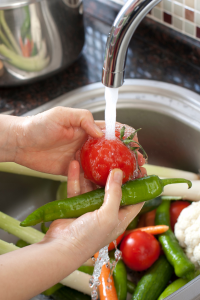
It’s not always possible to buy organic, but choosing organic and local whenever you can is a strong start. At the very least, opt for organic versions of foods on the Environmental Working Group’s (EWG) annual “Dirty Dozen” list. Wash fruits and vegetables thoroughly. I like to add a drop of lemon oil to my rinse water. Avoid foods with additives or artificial colors. Limit the use of plastic containers and never microwave them.
💡 Pro Tip: If you can’t buy organic, peel produce like apples or cucumbers to reduce pesticide residue.
4. Choose Safer Personal Care Products
Read ingredient labels—fewer is better. Look for products labeled “paraben-free” and “fragrance-free.” Use EWG’s Skin Deep database or apps like Think Dirty to screen products.
💡 Rule of Thumb: If you can’t pronounce it, look it up before putting it on your skin.
5. Filter Your Water
Invest in a quality water filter that removes lead, chlorine, and PFAS. I currently use a Berkey, but continue to research improved options. Avoid bottled water stored in plastic; opt for stainless steel or glass containers.
💡 Pro Tip: Even a simple countertop filter is better than none. Start where you are.
6. Be Smart About Cookware
Stop using nonstick cookware and replace it with stainless steel, cast iron, or ceramic. And remember: never microwave food in plastic containers—even those labeled “microwave safe.”
💡 Quick Swap: Glass Pyrex is microwave- and oven-safe, and lasts for years.
Final Thoughts
The goal isn’t perfection—it’s about awareness. You don’t need to obsess over every label, but making informed choices helps you take control of your health. Small shifts can have a cumulative, positive effect. I didn’t change my environment overnight, and I still find areas to improve. But each step makes a difference.
Think of toxin reduction like compound interest: the small choices you make daily build up over time into a healthier future.
Ready to take the next step toward a healthier, low-toxin lifestyle? Connect with me for personalized guidance and simple strategies you can start using today.