
Fiber Maxing: The Simple Habit Your Body Will Thank You For
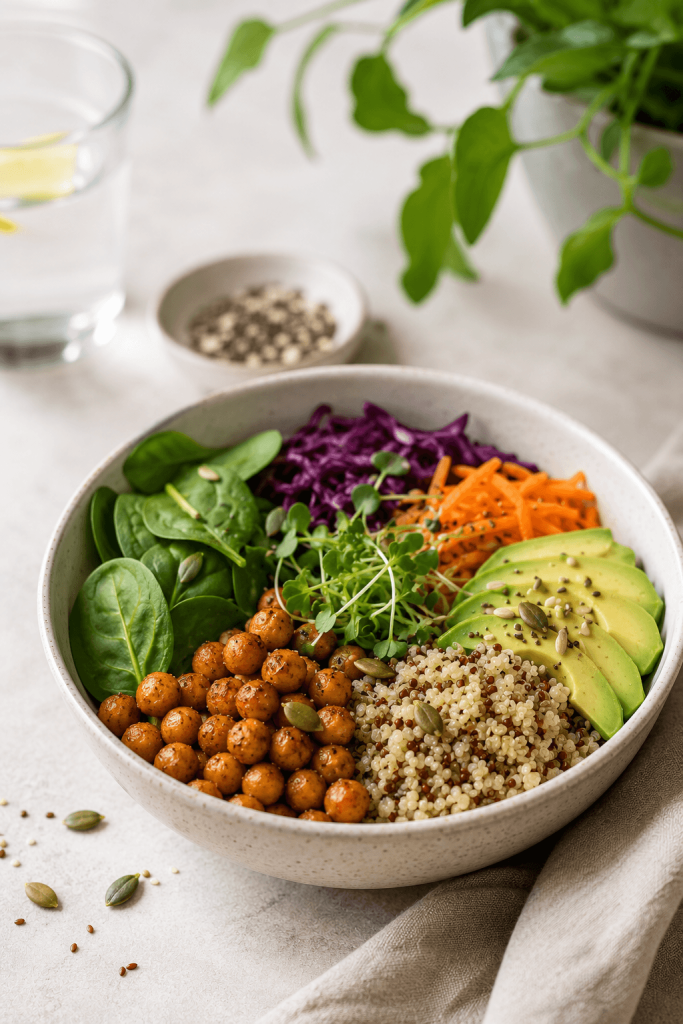
Have you heard the term “fiber maxing”? It’s one of the latest wellness trends starting to outpace all the talk about protein. It is important to pay attention to this one because it focuses on something that’s often overlooked: getting enough daily fiber for well-being.
Unlike fad diets or complicated nutrition plans, fiber maxing is about adding more naturally high-fiber foods into your diet. By prioritizing fiber-rich meals and snacks, you can support healthy digestion, feel satisfied longer, and help nourish your gut microbiome, all while enjoying delicious, whole foods.
What Is Fiber Maxing?
Fiber maxing simply means intentionally increasing your daily fiber intake. If you are eating mostly fruits, vegetables, whole grains, beans and legumes, nuts, and seeds, this can usually be accomplished through your food intake. These foods don’t just support digestive health. They also provide vitamins, minerals, and antioxidants your body needs every day.
Most adults should aim for approximately:
- Women: 25 grams of fiber per day
- Men: 38 grams of fiber per day
In reality, most people eating today’s modern diet get about half of what they should.
Many individuals now consume more processed foods, which are often low in fiber. These foods typically include snacks, fast food, and refined grains that lack the fiber found in whole, natural foods. Modern lifestyles often lead to convenience eating, where quick meals replace more nutritious options. This results in lower fiber intake as people opt for ready-to-eat meals that are not fiber-rich.
Trends such as low-carb or ketogenic diets can also contribute to reduced fiber consumption, as these diets often limit fruits, vegetables, and whole grains, which are primary sources of dietary fiber.
So what is all the fuss about fiber, and what does it do in your body?
Fiber is often grouped into two main categories: soluble fiber and insoluble fiber. While both are essential for good health, they work in different ways and provide different benefits. Most plant foods contain a combination of both. They are both important for digestive health and for supporting a healthy microbiome.
Soluble fiber dissolves in water, forming a gel-like substance. It helps slow digestion, keeping you full longer and stabilizing your blood sugar. It can help bind to cholesterol particles, feed beneficial bacteria, which in turn help support immunity, and reduce inflammation.
Insoluble fiber, on the other hand, does not dissolve in water and acts like a broom to move things through the digestive tract. This type of fiber keeps you regular and supports overall colon health.
Certain types of fiber act as food for beneficial gut bacteria. A healthy microbiome plays an important role in overall wellness.
Easy Ways to Start Fiber Maxing
You don’t have to overhaul your diet overnight. Small changes can make a big difference.
Try these simple additions:
- Add berries and chia seeds or flax to your yogurt or smoothie.
- Opt for a savory breakfast with added veggies.
- Choose whole grains.
- Snack on apples, pears, or carrots.
- Add beans into soups, salads, or tacos.
- Make half your plate vegetables at lunch and dinner.
Remember to increase fiber gradually and drink plenty of water to help your digestive system adjust comfortably.
Start simply by adding more fruits and vegetables to your diet.
The Bottom Line
Fiber maxing isn’t about restriction. It’s about adding more of the foods that help your body thrive. By filling your plate with colorful fruits, vegetables, legumes, whole grains, nuts, and seeds, you can support healthy digestion, nourish your gut microbiome, and build sustainable wellness habits.