
Ways to Increase and Protect Your Gut Microbiome
If you’ve heard me talk about gut health before, you know I often describe it as your internal garden.
Inside your body lives a thriving ecosystem of trillions of bacteria, fungi, and other microorganisms. These tiny organisms play a huge role in digestion, immune function, hormone balance, mood, and even brain health.
Research from places like Harvard Medical School and Johns Hopkins Medicine continues to confirm that your gut influences nearly every system in your body. You even have a microbiome on your skin, which is why I avoid harsh soaps, especially antibacterial soap.
Our modern lifestyle has created imbalances in these delicate ecosystems for many of us.
But all is not lost. There are ways to tend this garden and bring balance back to your microbiome — and your health.
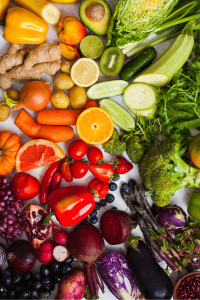
Eat a Variety of Fresh Fruits and Vegetables — The More Plants, The Better
Different gut bacteria thrive on different fibers and plant compounds. When we eat the same five foods every week, we limit microbial diversity.
I like to challenge myself — and you can too — to aim for 30 different plant foods in a week.
Instead of always grabbing iceberg lettuce, try:
- Arugula
- Radicchio
- Endive
- Watercress
Roast cauliflower in new ways. Learn to love cabbage (it’s so versatile!). Toss berries, nuts, and seeds onto salads or yogurt. Use herbs and spices generously — they’re full of polyphenols that beneficial bacteria absolutely love.
Try visiting an ethnic grocery store, where you can often find new and different varieties of vegetables and fruits.
Variety builds resilience.
Feed the Good Bacteria
We often hear about probiotics, but beneficial bacteria also need to be fed. That’s where prebiotic fibers come in.
Simple foods like:
- Garlic
- Onions
- Oats
- Legumes
- Asparagus
…act as fuel for your good microbes.
Once again, variety matters.
Bring in Fermented Foods
Fermented foods are one of the simplest ways to introduce beneficial microbes into the body.
Think:
- Fermented vegetables
- Kefir
- Kombucha
- Miso
- Plain yogurt with live cultures
Regularly including these foods has been shown to increase microbial diversity and lower inflammation markers. Many are easier to prepare at home than you might think.
Simple Homemade Fermented Vegetables
You can easily brine vegetables like carrots, cauliflower, green beans, and cabbage:
- Cut vegetables and place them in a quart mason jar.
- Cover with a brine made of 1 tablespoon non-iodized salt + 2 cups water.
- Make sure vegetables are completely submerged (glass weights help keep them under the brine).
- Let sit at room temperature for at least 7 days.
Voila — fermented vegetables!
Feel free to add fresh dill or jalapeños for a little kick.
Essential Oils and Gut Support
As someone who loves working with essential oils, I’m often asked how they fit into gut health.
Certain essential oils have traditionally been used to support healthy digestion and ease occasional bloating.
Oils like peppermint, ginger, fennel, and cardamom have long histories of digestive support. When used appropriately — whether aromatically or as labeled for internal use — they can complement dietary and lifestyle strategies.
It’s important to remember that essential oils are highly concentrated plant compounds. Quality, sourcing, and proper usage matter. They are powerful tools — best used thoughtfully and intentionally.
Be Thoughtful About Antibiotics
Antibiotics can be lifesaving. But they also disrupt the gut microbiome in significant ways.
If you do need one, understand why you’re taking it. Afterward, be intentional about rebuilding:
- Increase fermented foods
- Focus on fiber-rich meals
- Consider temporary probiotic support
Healing the microbiome isn’t overnight. It can take weeks — sometimes longer. But consistent support makes a difference.
Reduce Ultra-Processed Foods
Ultra-processed foods — especially those high in sugar — can feed less beneficial microbes and crowd out the ones we want to flourish.
Most ultra-processed foods are:
- Low in fiber
- High in additives
- Contain artificial sweeteners and emulsifiers
Your internal garden thrives on real food — food that looks like it came from the earth, not a factory.
Get Outside and Touch the Soil
One of the voices I’ve appreciated over the years is Josh Axe, author of Eat Dirt.
While he didn’t literally mean eating mud pies (though I was very good at making them as a child!), exposure to soil-based organisms can support microbial diversity.
- Gardening
- Walking barefoot in safe environments
- Growing herbs
- Getting your hands in the dirt
Nature nourishes us in more ways than we often realize.
Calm the Nervous System
Your gut and brain constantly communicate through the gut-brain axis.
Chronic stress can reduce beneficial bacteria and increase gut permeability. For many people, stress shows up first in digestion. I’ve experienced this truth personally — and it’s part of what led me toward a more holistic lifestyle.
Even 10 minutes a day of intentional calm — deep breathing, prayer, meditation, herbal tea, essential oils, gentle movement — can shift your nervous system and support your gut.
Small daily practices matter.
Protect Your Sleep
Your microbiome follows circadian rhythms just like you do. Poor sleep can disrupt gut balance.
Aim for:
- 7–9 hours per night
- Consistent sleep and wake times
- Limiting blue light and stressful input before bed (do you really need to watch the news before sleep?)
Every time my sleep schedule is disrupted, I’m reminded how essential consistency truly is.
A Note on Probiotics
Food always comes first. But there are seasons when supplemental probiotics can be helpful — especially after antibiotics, during travel, periods of stress, or seasonal transitions.
Not all probiotics are created equal. When choosing one, consider:
- Multiple strains (diversity matters here too)
- Adequate CFU count
- Proper delivery system to help bacteria survive stomach acid
Spore-based strains can be beneficial because they’re naturally more resilient and better able to survive digestion.
I personally look for formulas that support balance rather than overwhelm the system. PB Restore by doTERRA fits my needs. It contains 21 bacterial strains, both pre- and postbiotics, and is microencapsulated and time-released to ensure protection until delivery.
Remember: probiotics are meant to complement a healthy lifestyle — not replace one.
Tend Your Internal Garden
Your gut is always responding and sending your body information. It responds to every meal, every stressful situation, every night of sleep.
Tend your internal garden gently and intentionally — and it will serve you well for years to come.
If you’re feeling called to support your gut this season, I’d love to help you create a simple spring reset plan.
Leave a comment below or reach out — and we’ll find what feels right for you.